
Biophilic Design, Room by Room: Bringing Nature Indoors Without the Jungle Look
Biophilic design is not a plant shopping spree — it is light, honest materials, and natural pattern, layered in that order. This room-by-room guide shows how to bring nature indoors in every space, calmly, without the windowsill jungle.

Architectural Consultant & Spatial Planner
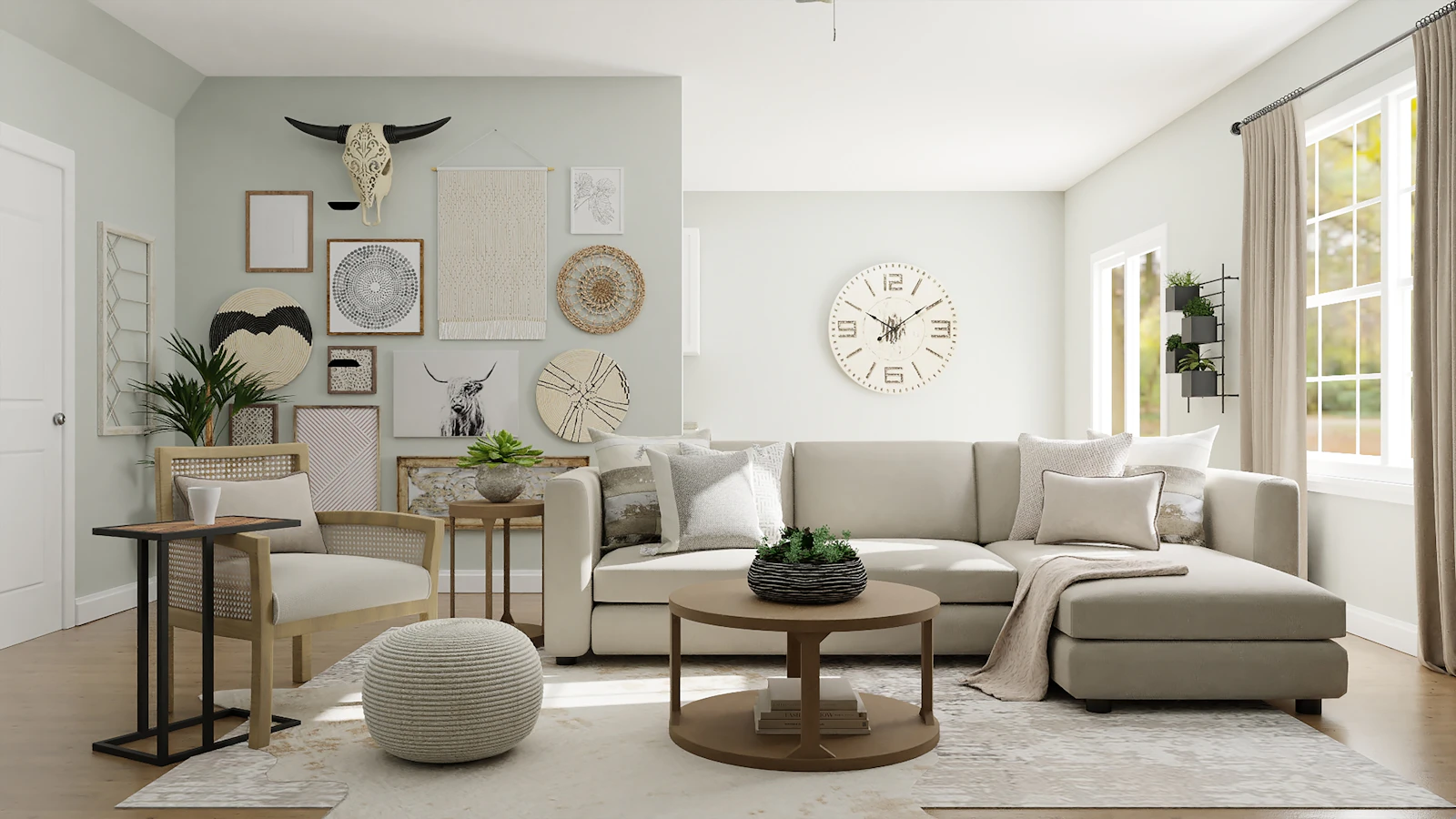
(Photo: Unsplash Editorial)
Biophilic design has an image problem: somewhere along the way, 'bring nature indoors' got translated as 'buy forty houseplants and a rattan chair.' The result, in many homes, is a windowsill jungle — charming for a month, then a maintenance burden that slowly browns at the edges. But biophilia was never about plant count. It is the design principle that humans relax in spaces that echo the environments we evolved in: dappled light, natural materials, water and wood and stone, views that change through the day. Done properly, it works in every room — even a plant-free home. Here is the room-by-room version, calibrated for calm rather than jungle.
The Three Layers of Real Biophilic Design
Think of nature indoors as three layers, in descending order of impact. Layer one is light and air: maximizing daylight, opening sightlines to any outdoor view, and ventilation you can feel. It does more for mood than any object you can buy, mostly by removing obstacles — heavy drapes, blocked windows, furniture against the glass. Layer two is material honesty: surfaces that are what they appear to be — real wood with visible grain, stone or stone-look tile, linen, wool, clay, rattan, unlacquered metal that patinas. Your hands know the difference before your eyes do. Layer three is living green and natural pattern: plants, yes, but also nature's repeated curves — leaf prints, branching forms, organic silhouettes. Most 'biophilic' makeovers start at layer three because it is shoppable. Start at layer one; it is free.
Room by Room: Where Nature Lands Best
Living room
Orient the main seat toward the best light or view, even if that means the sofa does not face the TV dead-on. One large, architectural plant — a fiddle-leaf fig, olive tree, or a 5- to 6-foot bird of paradise — outperforms a crowd of small pots; a quality faux version ($120 to $250) is a legitimate choice in dark corners where real trees suffer. Swap one synthetic element for a natural one each season: a wool throw ($60 to $120), a solid-wood side table, linen cushion covers. Add landscape art, or a mirror that bounces the window view deeper into the room.
Kitchen and dining
A rail of herbs you actually cook with, wooden boards left out on the counter, a bowl of fruit as the permanent centerpiece — all biophilic, none precious. In the dining area, a wood table with a matte, touchable finish and chairs with woven cane or rush seats bring materials in at body height, where they register most.
Bedroom
Keep plants minimal here if dust or allergies matter — one easy snake plant is plenty, or none at all. The bedroom's biophilia is textile and light: washed linen or cotton bedding, blackout layers that let you wake with the sun when you choose, a wood headboard with visible grain, and a strict no-plastic rule for the surfaces you touch in the dark. A small tray of natural objects — a stone, a shell, a wooden box — sounds precious and works anyway.
Bathroom
Eucalyptus in the shower, a pothos trailing from a high shelf, and a fern near the tub all thrive where other rooms fail them. Layer the materials: a teak bath mat ($40 to $70), stone or pebble-textured accessories, a linen-look cotton shower curtain instead of vinyl. If the room has no window, a warm 2700K bulb and one landscape print do more than a fake plant in a dark corner.
Hallways and workspaces
Transitional spaces get the pattern layer: a runner in a botanical or topographic pattern, nature photography at eye level, a bench in raw wood. At a desk, the research-backed move is a view — reposition to lift your eyes to a window or a plant — plus a wood desk surface and daylight-balanced light.
The Plant Plan: Fewer, Bigger, Easier
- Cap the count. For most rooms, 3 to 5 plants total reads as curated; beyond that, group deliberately or admit you are a collector.
- Buy the largest size you can afford. A single 10-inch-pot specimen looks designed; three 4-inch pots look like a checkout impulse. Budget $25 to $60 per hero plant.
- Choose forgiving species. Snake plant, pothos, ZZ plant, and cast-iron plant tolerate irregular watering and middling light — the houseplants most likely to still be thriving at year two.
- Vary the heights. One floor plant, one mid-height on a stand, one trailing from above. Nature never grows in a straight line at one level.
- Pots are decor. Terracotta, unglazed clay, seagrass baskets, and matte stone finishes carry the material story; a row of identical plastic pots undoes it.
The one-hour biophilic reset: Open every blind fully for a day and note where light actually lands; move one seat into it. Remove three synthetic-feeling objects from your main room. Put one natural material where your hand rests daily — a wood tray, a stone coaster, a wool throw. Then decide about plants. Most rooms feel transformed before a single leaf arrives.
Mistakes That Tip Serene Into Theme Park
- The plant-per-surface rule. A small pot on every shelf and sill is clutter with leaves. Negative space is part of nature too — think meadow, not thicket.
- All one note. Rattan chair + bamboo blinds + jute rug + macramé + palm print is a theme, not a palette. Let natural materials make up about a third of a room's surfaces, mixed with the calm pieces you already own.
- Fake greenery in good light. Quality faux earns its place in dark corners; beside a sunny window, plastic leaves announce themselves. Put real plants where the light is and faux only where real ones cannot live.
- Ignoring sound and scent. A small tabletop fountain, beeswax candles, or simply an open window's worth of fresh air completes the sensory picture that visuals start.
Nature, at a Human Pace
The goal was never a greenhouse with a sofa in it. It is a home that borrows nature's operating system — changing light, honest materials, organic shapes, a few living things — and runs it quietly in the background of ordinary life. Start with the daylight you already have, trade synthetic surfaces for real ones one at a time, and let plants be the finishing layer rather than the foundation. Your rooms will not look like a jungle. They will feel like a clearing — and that is exactly the point.
Shop The Look • Hand-Selected Room Pieces
 Best SellerTarget
Manage inventory, stock, sales, purchases, suppliers and business reports with MBI Inventra. Smart inventory management and POS software for pharmacies, wholesalers and retailers.
Editor's PickTargetManage patients, appointments, OPD queues, doctors, billing, laboratory, IPD, pharmacy, reports and printing — all from one secure hospital management software in Pakistan, with an AI assistant built in.
* The Decor Diary editors independently select all featured products. We may earn an affiliate commission on qualifying purchases made through our verified merchant links.
Editorial Standards & Fact-Checking
This guide was researched, written, and verified in accordance with The Decor Diary’s editorial principles. We test room solutions for practicality, longevity, and sustainability.
Read our full editorial workflow →Written by Marcus Chen
Architectural Consultant & Spatial Planner
Marcus holds a Master of Architecture from Pratt Institute and specializes in bioclimatic home design, micro-apartment space optimization, and sustainable materiality in contemporary living.
View all articles by this author →Community Conversation (0)
Share Your Thoughts
Have a question about this decor layout or a tip of your own? We welcome civil, thoughtful discussion.
Related Design Stories

The Architectural Art of Layering Lighting: Ambient, Task, and Accent Strategies for Every Room
A single ceiling fixture is why good rooms feel flat. Learn the three layers of light — ambient, task, and accent — plus the 2700K rule and a room-by-room plan you can finish this weekend.