
The Architectural Art of Layering Lighting: Ambient, Task, and Accent Strategies for Every Room
A single ceiling fixture is why good rooms feel flat. Learn the three layers of light — ambient, task, and accent — plus the 2700K rule and a room-by-room plan you can finish this weekend.

Architectural Consultant & Spatial Planner

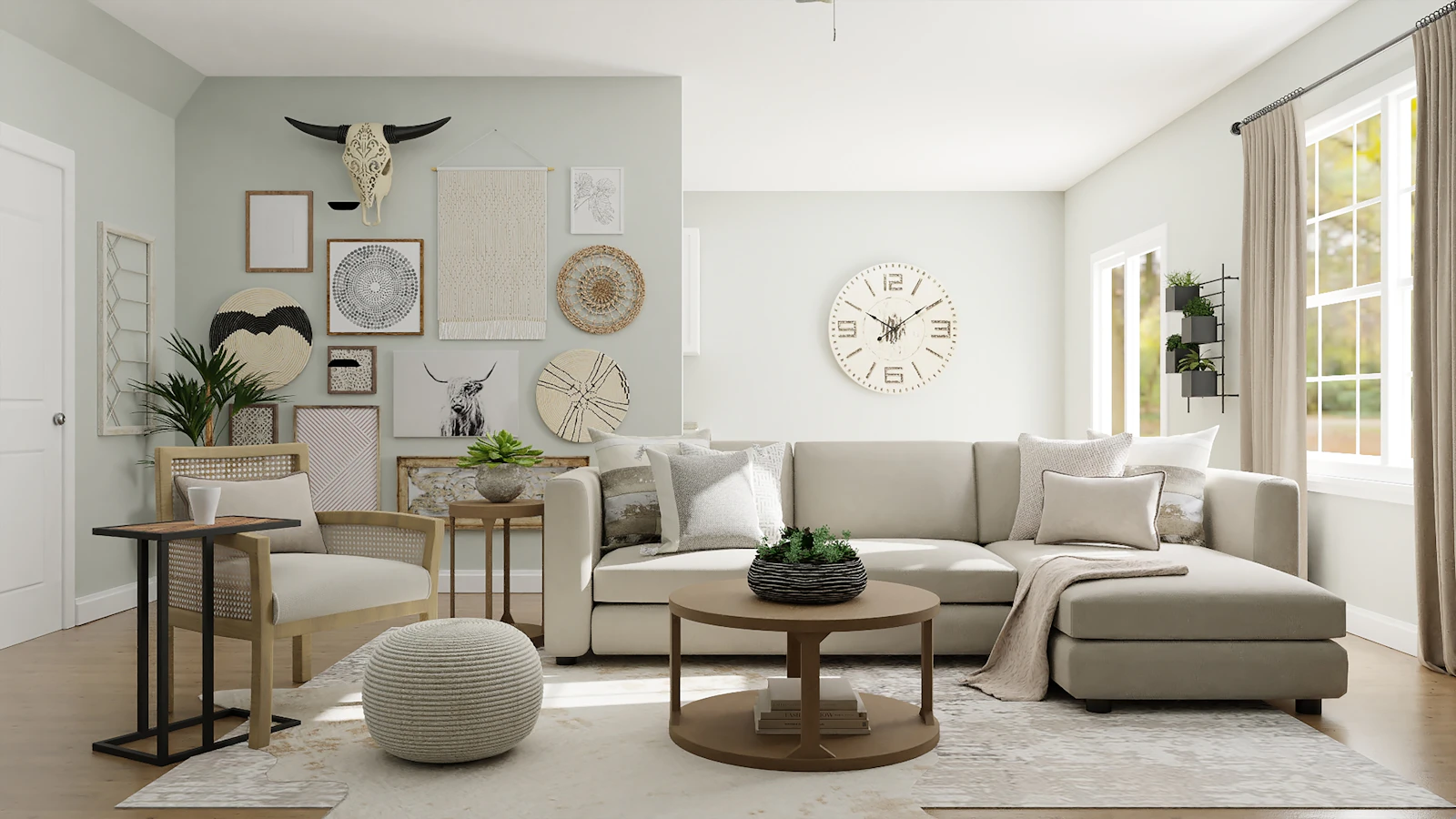
Strategic lighting layers create mood, highlight architectural textures, and make spaces feel welcoming. (Photo: Photo courtesy of The Decor Diary Editorial Studio)
There is a reason a beautifully decorated room can still feel flat and somehow unfinished. Nine times out of ten, the problem is not the furniture — it is the light. The rooms we admire are never lit by one source; they are composed, like a painting, from several gentle layers of light at different heights. Learn to see light in layers, and you can transform almost any room in a weekend, often for less than the cost of a new rug.
Why Single-Source Lighting Fails
A lone ceiling fixture is the default in most homes, and it quietly works against everything else you own. Light falling straight down from one central point creates harsh shadows, washes out wall color, and leaves every corner in gloom. The result feels clinical — closer to a dentist's office than a living room — because our eyes relax in the varied, low, warm light of firelight and evening sun, not in a uniform overhead glare.
The 3 Essential Lighting Layers
Designers plan every room in three layers. You rarely need all three blazing at once; the magic happens when each layer can be controlled separately, ideally on its own dimmer.
1. Ambient Light: The General Glow
Ambient light is the soft, overall illumination that takes over after daylight fades. The best sources spread light widely and hide the bulb: recessed downlights with deep baffles, cove lighting tucked into ceiling trays or atop tall cabinets, and pendants with diffused glass or fabric shades. Space recessed cans roughly 4 to 5 feet apart, keep them 2 to 3 feet away from walls, and always — always — put them on a dimmer.
2. Task Light: Focus Where You Work
Task lighting is brighter, directional light aimed exactly where an activity happens: a library sconce beside a reading chair, under-cabinet LED strips where you chop vegetables, an articulated lamp over a desk. Position task lights to the side of the work rather than behind you, so your own body never shadows the surface. Under-cabinet strips should sit toward the front edge of the cabinet, lighting the countertop rather than only the backsplash.
3. Accent Light: The Layer That Creates Drama
Accent light is the jewelry of a room — narrow-beam spotlights grazing a stone wall, picture lights over artwork, a small uplight tucked behind a plant. It needs to be roughly three times brighter than the ambient light around it to register as a highlight. Accent lighting is what makes a room feel curated rather than merely furnished, and it is the layer most often missing in new builds and rentals.
Color Temperature: The 2700K Rule
Even perfect layering fails if your bulbs disagree. Buy every bulb in a room at the same color temperature, or the layers fight each other.
The Decor Diary rule: use 2700K warm white everywhere you live — living rooms, bedrooms, dining rooms, hallways. Reserve 3000K for bathrooms and utility spaces, where slightly crisper light helps with grooming and laundry. Never install 4000K or 5000K daylight bulbs in a home; they belong in workshops and hospitals, and they will make the prettiest room feel cold.
A Room-by-Room Layering Plan
Living room. Aim for five to seven sources at different heights: recessed or cove ambient, a floor lamp beside the sofa, table lamps on both side tables, and one accent — a picture light or a spot aimed at a plant. If you add only one thing, add the second table lamp. Symmetry at seated eye level is instantly calming.
Kitchen. Ambient cans plus under-cabinet task strips are non-negotiable. Hang pendants over the island 30 to 36 inches above the counter, and add toe-kick LED strips on a motion sensor for midnight kettle trips.
Bedroom. Skip the ceiling light almost entirely. Two bedside sconces or lamps with warm bulbs, one small reading light, and dimmers within reach of the pillows create the decompressing mood a bedroom actually needs.
Bathroom. This is the one room where light quality changes a daily task: your face. Flank the mirror with vertical sconces at eye level, about 60 inches from the floor, instead of a single bar above the mirror that shadows your eyes. Ambient light at 3000K is perfectly fine here.
Common Lighting Mistakes
- One switch, one mood. If every light fires at full brightness together, you have no layers — only a bigger bill. Dimmers cost $15 to $30 and change everything.
- Bulbs that do not match. Mixing 2700K and 4000K bulbs in one room makes both look wrong.
- Lamps that are too small. A table lamp's shade should sit near eye level when you are seated; undersized lamps are a quiet reason rooms feel off.
- Accent light aimed at nothing. Every spotlight needs a subject — art, texture, or architecture. A beam on a blank wall just makes a hot spot.
Lighting Layer FAQs
How many light sources does a living room need?
Five to seven suits an average living room: one ambient source, two or three task or table lamps, and one or two accents. A pair of sconces counts as one visual source.
Are smart bulbs a good substitute for dimmers?
They are an excellent renter-friendly alternative. Warm-dim smart bulbs in lamps let you layer and schedule light without rewiring. For recessed fixtures you own, hardwired dimmers are more reliable and respond instantly.
What if my room has no ceiling fixture at all?
Consider yourself lucky — you get to design from scratch. A plug-in swag pendant or arc floor lamp can supply ambient light, while plug-in lamps and sconces build the task and accent layers.
Start with one room, one layer at a time: match your bulbs to 2700K, add dimmers, and put a lamp where you actually sit. Layered light is the least expensive renovation there is — and the one guests always notice.
Shop The Look • Hand-Selected Room Pieces
 Best SellerTarget
Manage inventory, stock, sales, purchases, suppliers and business reports with MBI Inventra. Smart inventory management and POS software for pharmacies, wholesalers and retailers.
Editor's PickTargetManage patients, appointments, OPD queues, doctors, billing, laboratory, IPD, pharmacy, reports and printing — all from one secure hospital management software in Pakistan, with an AI assistant built in.
* The Decor Diary editors independently select all featured products. We may earn an affiliate commission on qualifying purchases made through our verified merchant links.
Editorial Standards & Fact-Checking
This guide was researched, written, and verified in accordance with The Decor Diary’s editorial principles. We test room solutions for practicality, longevity, and sustainability.
Read our full editorial workflow →Written by Marcus Chen
Architectural Consultant & Spatial Planner
Marcus holds a Master of Architecture from Pratt Institute and specializes in bioclimatic home design, micro-apartment space optimization, and sustainable materiality in contemporary living.
View all articles by this author →Community Conversation (0)
Share Your Thoughts
Have a question about this decor layout or a tip of your own? We welcome civil, thoughtful discussion.
Related Design Stories
Biophilic Design, Room by Room: Bringing Nature Indoors Without the Jungle Look
Biophilic design is not a plant shopping spree — it is light, honest materials, and natural pattern, layered in that order. This room-by-room guide shows how to bring nature indoors in every space, calmly, without the windowsill jungle.