
Winter Colour at Home: Warm Paint Shades and Easy Colour Updates for Cold Months
Winter light is softer, days are shorter, and the colours that looked fresh in summer can suddenly feel cold and flat. A few warm shades, used in the right places, can make a room feel cosier without a full redecoration.

Editor-in-Chief & Interior Stylist
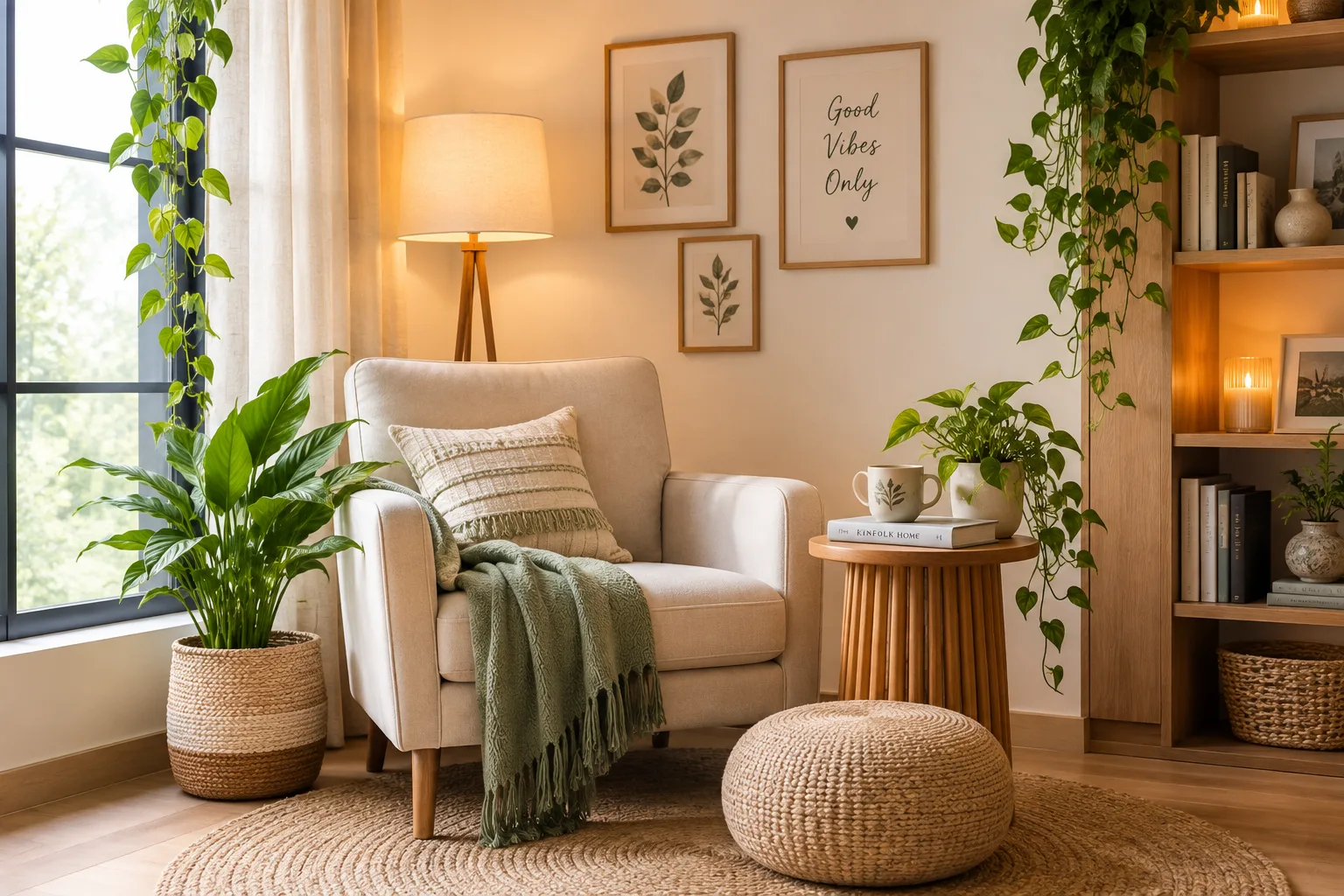
Start with the light, not the paint chart
Winter light changes everything. A shade that looks warm in a shop can turn grey in a north-facing room in November, while a colour that seems bold on a tiny swatch can settle beautifully once it covers a whole wall. Before you commit, paint a large test patch — at least a metre square — and live with it for a couple of days. Look at it in morning light, in the evening lamplight, and on a dull afternoon, because those are the lights you will actually live with. If you rent, or you are not ready to paint, the same test works with fabric: drape a warm throw or hang a curtain panel in the shade you are considering and see how the room feels after dark.
Warm neutrals that do the heavy lifting
The easiest winter update is to swap a cool neutral for a warm one. Think creamy whites instead of brilliant whites, soft oatmeal instead of pale grey, and warm stone instead of cold concrete tones. These shades do not shout, but they take the chill out of a room and they suit almost any furniture you already own. Use them on the largest surfaces — walls, big rugs, sofa covers — so the warmth is felt everywhere, not just in one corner. If your room already has warm wood floors or wooden furniture, a warm neutral will bring those tones forward instead of fighting them.
One deeper shade for depth and cosiness
A room painted entirely in pale colours can feel flat in winter, when there is less daylight to give it life. One deeper shade adds the depth that pale rooms are missing. Deep terracotta, warm olive, muted rust, or a soft, dark green all work well, and you do not need much of it: a single feature wall, the wall behind a bed, or even just the inside of a bookshelf can be enough. Keep the rest of the room lighter so the deep shade feels like a warm anchor rather than a dark cave, and repeat the colour in small touches — a cushion, a vase, a piece of art — so it looks intentional rather than accidental.
Colour you can change without painting a wall
Paint is not the only way to change a room's colour story, and in winter the quickest wins are often soft ones. Swap light summer cushion covers for velvet, wool, or chunky knit in warm rust, mustard, or deep green. Add a heavier throw in a rich shade, change a lampshade to a warmer tone, or lay a rug with a warm pattern over a pale floor. Art is another easy lever: one large warm-toned print can shift the whole feeling of a wall. The beauty of these changes is that they are seasonal — you can pack the warmest ones away in spring and bring back lighter colours without touching a paintbrush.
Keep the balance: warm, not heavy
It is easy to overdo winter colour and end up with a room that feels dark and cluttered instead of cosy. The trick is balance. For every deep or rich shade, leave some breathing space: a pale ceiling, light bedding, or a plain curtain can stop a warm room from feeling closed in. Mirrors and lamps help too — a mirror opposite a window bounces what daylight there is around the room, and warm-white bulbs (rather than harsh daylight bulbs) make warm colours glow in the evening. Step back regularly and ask whether the room feels welcoming or just busy; if it is the latter, remove one warm accessory rather than adding another.
A simple weekend plan for a warmer room
You do not need a whole week to warm up a room's colour. On Saturday morning, choose your palette: one warm neutral, one deeper accent, and one soft texture to tie them together. Test the deeper shade on one wall or one large piece of furniture, and swap in the textiles — cushions, a throw, a rug — in the same family of tones. On Sunday, live with it: have your evening meal in the room, read there after dark, and notice what still feels cold. Often one small fix, such as a warmer lampshade or a second cushion in the accent colour, finishes the job. Done this way, winter colour is not a big project — it is a weekend refresh that makes the cold months feel warmer every single day.
Shop The Look • Hand-Selected Room Pieces
 Best SellerTarget
Manage inventory, stock, sales, purchases, suppliers and business reports with MBI Inventra. Smart inventory management and POS software for pharmacies, wholesalers and retailers.
* The Decor Diary editors independently select all featured products. We may earn an affiliate commission on qualifying purchases made through our verified merchant links.
Editorial Standards & Fact-Checking
This guide was researched, written, and verified in accordance with The Decor Diary’s editorial principles. We test room solutions for practicality, longevity, and sustainability.
Read our full editorial workflow →Written by Elena Vance
Editor-in-Chief & Interior Stylist
Elena Vance has over twelve years of experience in interior architectural design and editorial styling. Her philosophy centers on organic minimalism, textural layering, and making residential spaces effortlessly tranquil.
View all articles by this author →Community Conversation (0)
Share Your Thoughts
Have a question about this decor layout or a tip of your own? We welcome civil, thoughtful discussion.
Related Design Stories
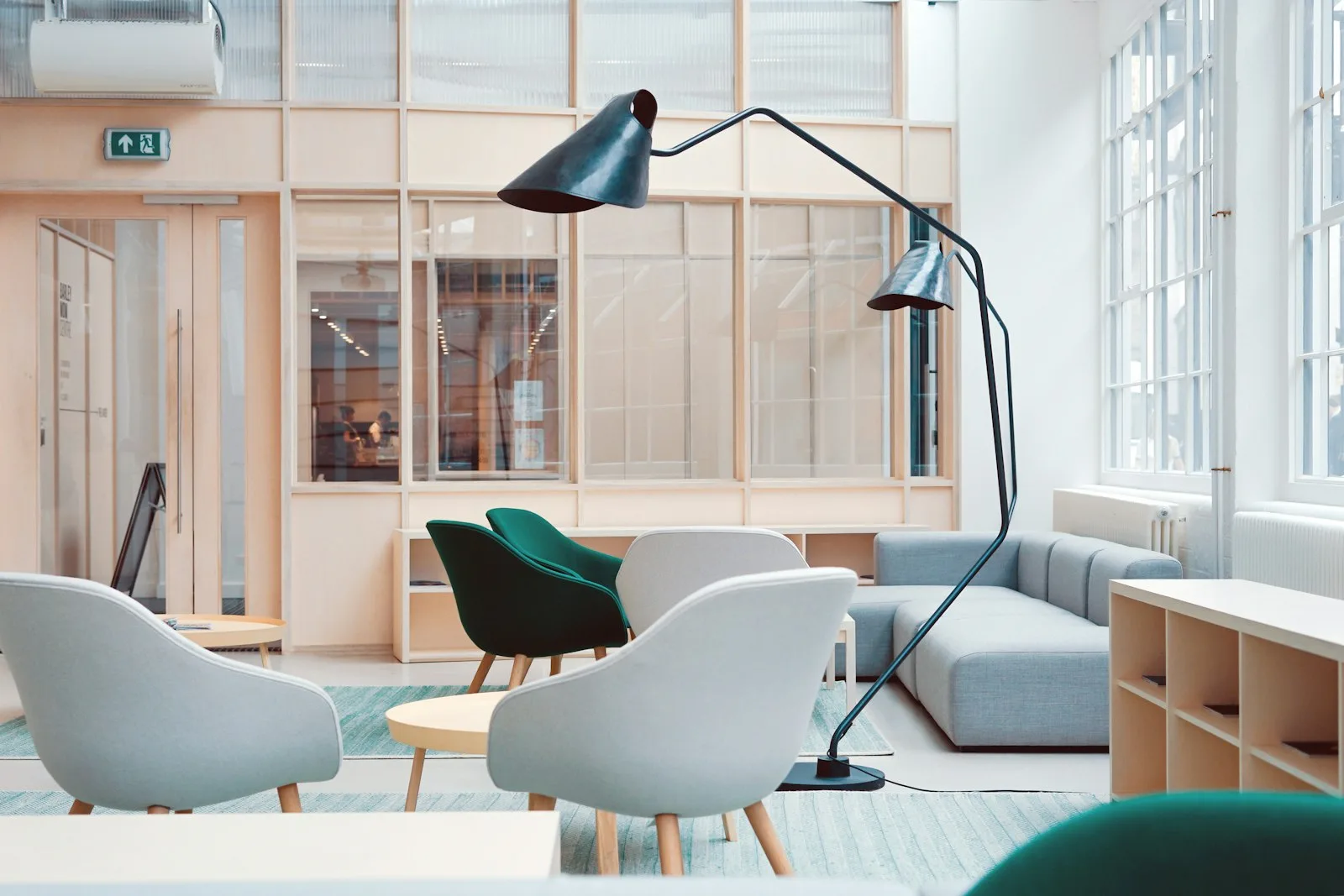
Winter Lighting at Home: Layered Light for Dark Evenings
When winter evenings arrive early, good lighting changes everything. Layered light — a mix of overhead, task and soft glow — can make a room feel warm, welcoming and easy to live in, without rewiring a thing.

Bringing Plants Indoors for Winter: Light, Water and Happy Houseplants
As the days shorten and the heating comes on, houseplants need a little extra care to stay green and happy. With the right spot, gentler watering and a few simple habits, your indoor plants can thrive right through winter.
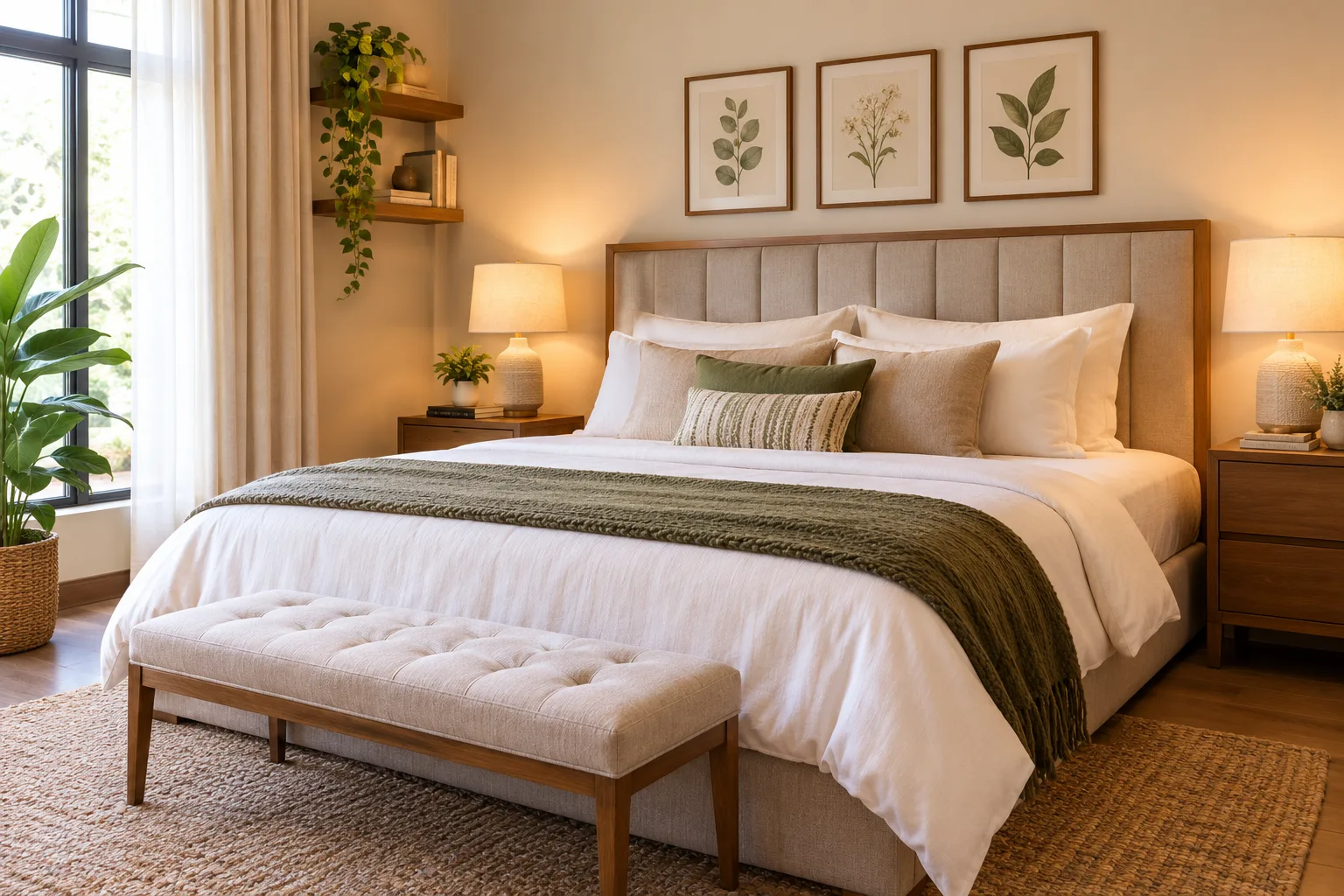
A Warm Winter Dining Room: Simple Touches for Gatherings Around the Table
Winter is the season when the dining room earns its keep: long meals, visiting family and friends who linger long after the plates are cleared. A few warm, practical touches can turn it into a room people genuinely want to sit in, without a full redecoration.